
A visa-exempt visitor needs an eTA (CAD $7) to fly to Canada but not to arrive by ferry, cruise ship, car, bus or train, according to IRCC. U.S. citizens do not need an eTA and must carry proper identification such as a valid U.S. passport. Pick your situation below for what the official pages say, and use IRCC’s checker to confirm for your own case.
What do you need to enter Canada?
A U.S. citizen, by air
No eTA. Carry proper identification, ideally a valid passport.
- “U.S. citizens are exempt from the eTA requirement and must carry proper identification such as a valid U.S. passport.” (IRCC: Find out about electronic travel authorization (eTA), page dated April 23, 2024)
- The CBSA recommends travelling with a valid passport. Other documents can be used if they show your full name, date of birth and citizenship, and a combination can work: for example a birth certificate, a certificate of citizenship or naturalization, or a U.S. enhanced driver’s licence. (CBSA: Travel and identification documents for entering Canada, page dated June 5, 2026)
A U.S. citizen, by ferry, cruise ship, car, bus or train
No eTA. Carry proper identification, ideally a valid passport.
- “U.S. citizens are exempt from the eTA requirement and must carry proper identification such as a valid U.S. passport.” (IRCC: Find out about electronic travel authorization (eTA), page dated April 23, 2024)
- The CBSA recommends travelling with a valid passport. Other documents can be used if they show your full name, date of birth and citizenship, and a combination can work: for example a birth certificate, a certificate of citizenship or naturalization, or a U.S. enhanced driver’s licence. (CBSA: Travel and identification documents for entering Canada, page dated June 5, 2026)
- The eTA is only needed by air. Visa-exempt travellers “do not need an eTA when arriving by car, bus, train or boat (including a cruise ship).” (IRCC: Find out about electronic travel authorization (eTA), page dated April 23, 2024)
A lawful permanent resident of the U.S. (green card holder), by air
No eTA if your U.S. status is valid. Carry proof of citizenship and proof of U.S. status.
- “Lawful permanent residents of the United States who hold valid status in the U.S. are exempt from the eTA requirement.” (IRCC: Find out about electronic travel authorization (eTA), page dated April 23, 2024)
- By air, carry both proof of citizenship and proof of U.S. status, such as a valid U.S. permanent resident card. Proof of citizenship can be a passport from your country of nationality, a birth certificate, or a certificate of citizenship or naturalization. (CBSA: Travel and identification documents for entering Canada, page dated June 5, 2026)
A lawful permanent resident of the U.S. (green card holder), by ferry, cruise ship, car, bus or train
No eTA. Show your U.S. permanent resident card; the CBSA says a passport is not required.
- Arriving by land or water directly from the U.S., present your U.S. permanent resident card to the officer. The CBSA says a passport is not required. (CBSA: Travel and identification documents for entering Canada, page dated June 5, 2026)
- Visa-exempt travellers “do not need an eTA when arriving by car, bus, train or boat (including a cruise ship).” (IRCC: Find out about electronic travel authorization (eTA), page dated April 23, 2024)
A citizen of another country whose citizens do not need a visa, by air
You need an eTA to fly to Canada (CAD $7), and acceptable identification.
- “Visa-exempt foreign nationals need an eTA to fly to or transit through a Canadian airport.” IRCC says it costs CAD $7 and is valid for up to five years or until the passport expires, whichever comes first. (IRCC: Find out about electronic travel authorization (eTA), page dated April 23, 2024)
- The CBSA says to apply for an eTA before booking travel, and that all international travellers, regardless of age, must carry acceptable identification. (CBSA: Travel and identification documents for entering Canada, page dated June 5, 2026)
A citizen of another country whose citizens do not need a visa, by ferry, cruise ship, car, bus or train
No eTA when arriving by ferry, cruise ship, car, bus or train. Carry acceptable identification.
- “These travellers do not need an eTA when arriving by car, bus, train or boat (including a cruise ship).” (IRCC: Find out about electronic travel authorization (eTA), page dated April 23, 2024)
- The CBSA says all international travellers, regardless of age, must carry acceptable identification. (CBSA: Travel and identification documents for entering Canada, page dated June 5, 2026)
My country needs a visa, or I am not sure, by air
This page cannot tell you. Use the official IRCC checker.
- The CBSA says you may need a visa or an eTA, depending on your citizenship, departure point and mode of travel. (CBSA: Travel and identification documents for entering Canada, page dated June 5, 2026)
- IRCC’s checker asks about your travel method, citizenship, passport and purpose of travel, and says it “may not provide information on all entry documents or your particular situation.” (IRCC: Check if you need a visa or eTA to travel to Canada, page dated July 30, 2026)
My country needs a visa, or I am not sure, by ferry, cruise ship, car, bus or train
This page cannot tell you. Use the official IRCC checker.
- The CBSA says you may need a visa or an eTA, depending on your citizenship, departure point and mode of travel. (CBSA: Travel and identification documents for entering Canada, page dated June 5, 2026)
- IRCC’s checker asks about your travel method, citizenship, passport and purpose of travel, and says it “may not provide information on all entry documents or your particular situation.” (IRCC: Check if you need a visa or eTA to travel to Canada, page dated July 30, 2026)
What this page does and does not do
The tool above turns what two government pages say into short answers for four kinds of traveller and two kinds of arrival. It does not look at your passport, your history or your reason for travelling, and it cannot tell you whether you will be admitted. For your own case, use IRCC’s checker and read the pages linked under Sources.
Arriving in Victoria by ferry or cruise ship
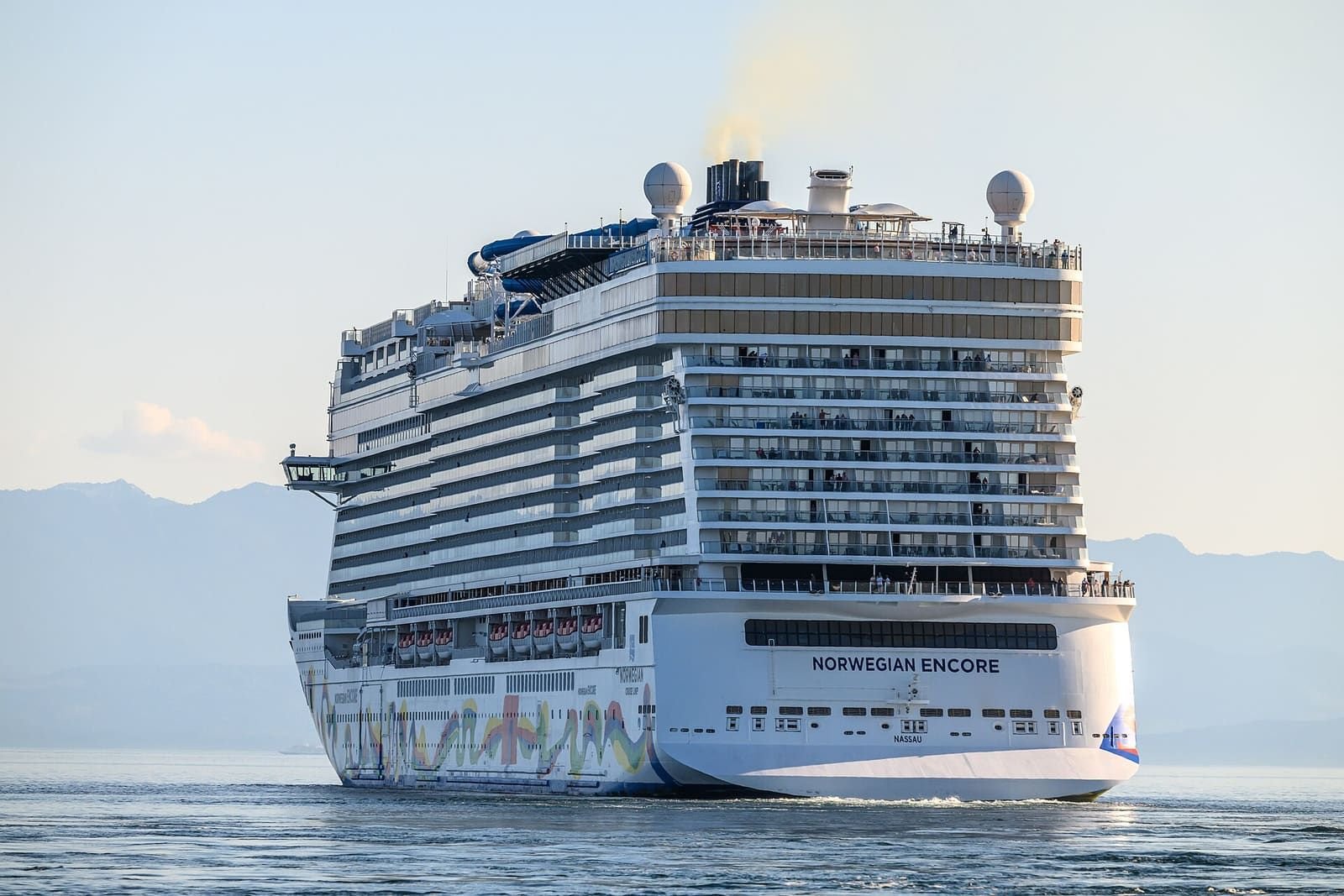
Victoria is reached by the Victoria Clipper, the MV Coho, BC Ferries from the mainland and by cruise ship at Ogden Point. IRCC’s eTA page covers boat arrivals, including cruise ships, in the sentence quoted above: a visa-exempt traveller does not need an eTA to arrive by boat. The CBSA still says all international travellers, regardless of age, must carry acceptable identification.
Flying in
If you fly into Victoria, or connect through Vancouver or another Canadian airport, the eTA rule for visa-exempt travellers applies to the flight. The CBSA says to apply before booking. See how to get to Victoria for every route.
Insurance and phones
Entry documents are separate from health cover. See travel insurance for visiting Canada and the eSIM comparison.
Frequently asked questions
What is an eTA and who needs one?
An eTA is an electronic travel authorization. IRCC says visa-exempt foreign nationals need one to fly to or transit through a Canadian airport, and do not need one when arriving by car, bus, train or boat, including a cruise ship. U.S. citizens are exempt.
How much is an eTA and how long does it last?
IRCC says an eTA costs CAD $7 and is valid for up to five years or until the passport expires, whichever comes first. To apply you need a valid passport, a credit or debit card and an email address. The CBSA says to apply before booking travel.
Do I need a passport if I am a U.S. citizen arriving by ferry?
The CBSA recommends travelling with a valid passport. It says other documents can be used if they show your full name, date of birth and citizenship, for example a birth certificate, a certificate of citizenship or naturalization, or a U.S. enhanced driver’s licence. Carrying a passport avoids the question.
What about a U.S. green card holder?
IRCC says lawful permanent residents of the U.S. with valid status are exempt from the eTA requirement. The CBSA says that by air you carry proof of citizenship and proof of U.S. status, and that by land or water directly from the U.S. you present your U.S. permanent resident card, with no passport required.
What do I need for children?
The CBSA says to carry acceptable identification for a minor under 18 according to their residency or nationality, carry copies of any legal custody documents, arrive at the border in the same vehicle as the minor, and carry a consent letter if you share custody and the other parent or guardian is not travelling or you are not the minor’s parent or guardian.
How do I know what applies to my passport?
Use IRCC’s official checker, which asks about your travel method, citizenship, passport and purpose of travel. IRCC says it may not provide information on all entry documents or your particular situation.
More in Visitor essentials
Sources
- IRCC: Check if you need a visa or eTA to travel to Canada (page dated 30 July 2026)
- IRCC: Find out about electronic travel authorization (eTA) (page dated 23 April 2024)
- IRCC: Apply for an eTA (page dated 5 June 2026)
- CBSA: Travel and identification documents for entering Canada (page dated 5 June 2026)